From a part-time Barrel of Fun arcade attendant to Chief Operating Officer of NAMCO USA—and eventually the company’s self-described “Chief Evangelist” for PAC-MAN—David Bishop may be one of the most influential figures in arcade history it’s likely you’ve never heard of.
I first met David in 2014. He was standing beside a life-sized, waving PAC-MAN mascot, wearing the same warm smile that perfectly matched his role as the face of one of gaming’s most recognizable icons. My introduction came courtesy of Billy Mitchell, the King of Kong star and first person to achieve a perfect PAC-MAN score of 3,333,360 points. Both were on hand to help ensure the inaugural Southern-Fried Gaming Expo made a memorable debut.
David was too busy helping make sure the event ran smoothly for us to spend much time talking. Only later did I realize just how much of the modern arcade industry had passed through his hands. Over a career spanning more than four decades, Bishop helped guide Barrel of Fun through the arcade boom and bust of the early 1980s, led operations during Atari’s national arcade expansion, and later helped transform NAMCO USA into the largest arcade operator in North America.
As we connect on Zoom over a decade later, his hair is a little grayer and a lot longer—a well-earned badge of honor in his new role as a retiree. Although he’s far removed from the daily business of operating arcades, he’s hardly left the industry behind.
“It’s important to capture the history of this industry while we still can,” he says. “So much has already been forgotten or lost. We have a responsibility to document and remember what we can.”
That mission is one of the driving forces behind Atlas Arcadia and an opinion formed by shaping an entire industry.
From Player to Arcade Operator
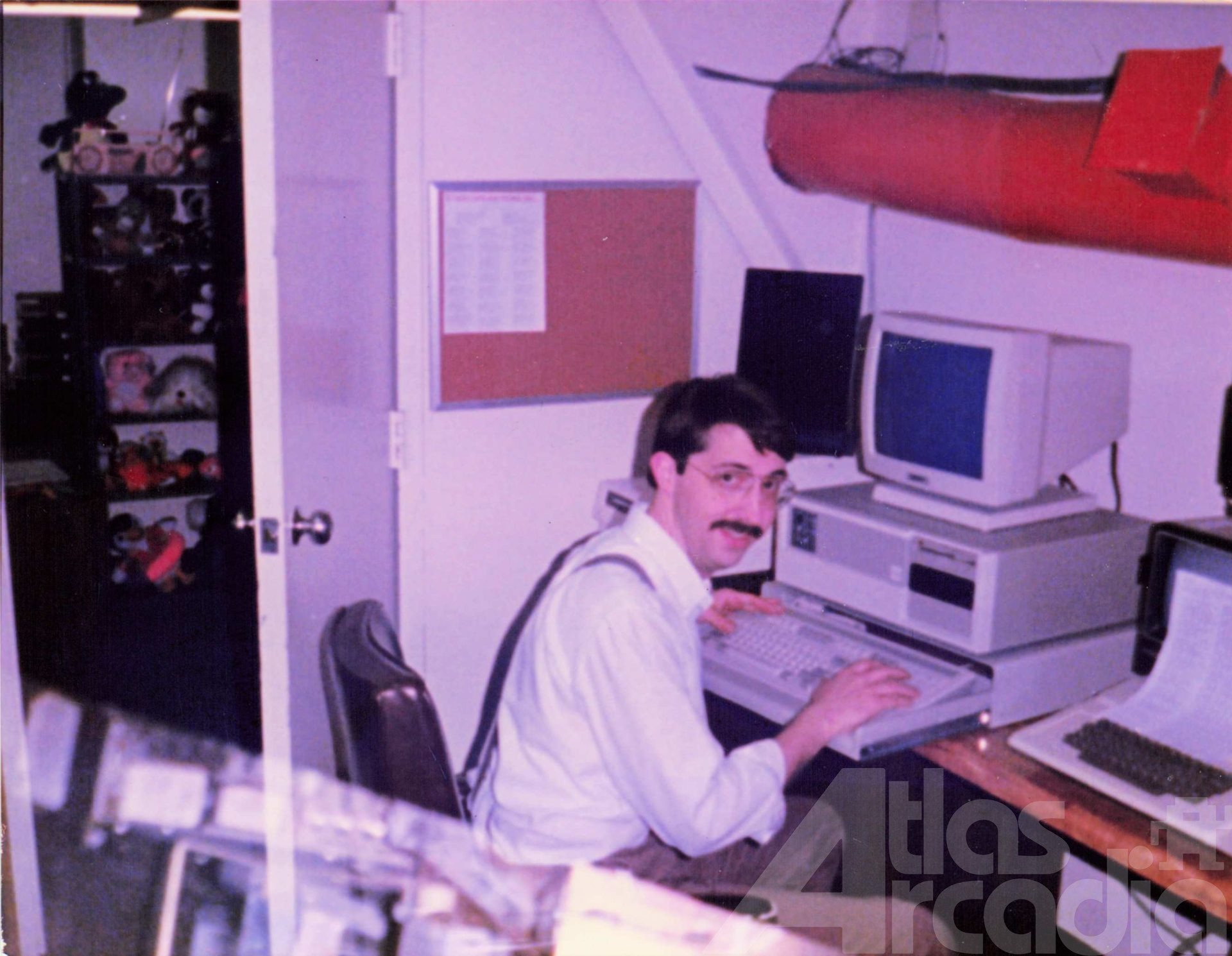
Before David Bishop ever managed an arcade, he was exactly the kind of customer the industry hoped to attract.
Growing up in Alabama during the 1970s, he was fascinated by games of every kind, from Dungeons & Dragons and tabletop wargames to pinball and the earliest home computers. Those interests naturally led him to the first generation of video games.
One of his earliest memories is playing a Magnavox Odyssey at a friend’s house.
“I was amazed that connecting this box to a modest black-and-white TV let us play ‘Tennis’ at home. It sounds silly now, but that image is still burned into my brain.”
As arcades began appearing in shopping malls, Bishop became a regular visitor. He remembers spending weekends at Aladdin’s Castle in Montgomery’s Eastdale Mall, where pinball machines still outnumbered video games. Among the early titles that captured his imagination was Depth Charge, but it was another game that truly changed everything.
“The first time I remember being absolutely floored by a video game was Exidy’s Star Fire. It felt like I was inside a Star Wars simulator. I still remember my mind spinning with the excitement of the future possibilities that game inspired.”
Then came Defender.
“That was the game that cemented my love of video games and ultimately drove me to make them my career.”
The Best Job in the World
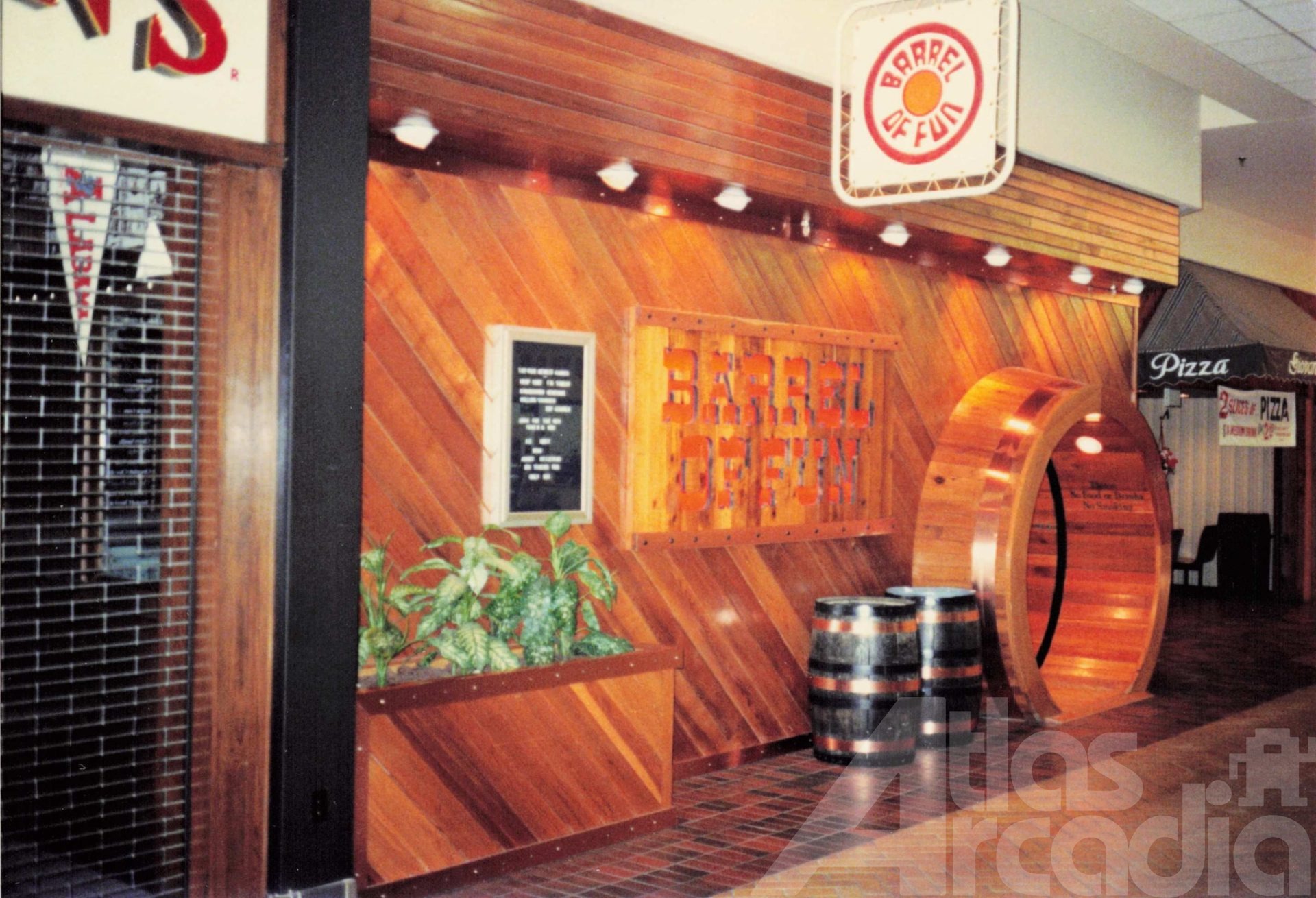
Bishop entered the arcade business almost by accident.
While attending the University of Alabama, he took a part-time job at Barrel of Fun #14 inside University Mall in Tuscaloosa. The timing couldn’t have been better. It was January 1981, just as the arcade industry was reaching its historic peak.
“Working in a mall arcade in 1981—and having a key to all the games—was the best job ever.”
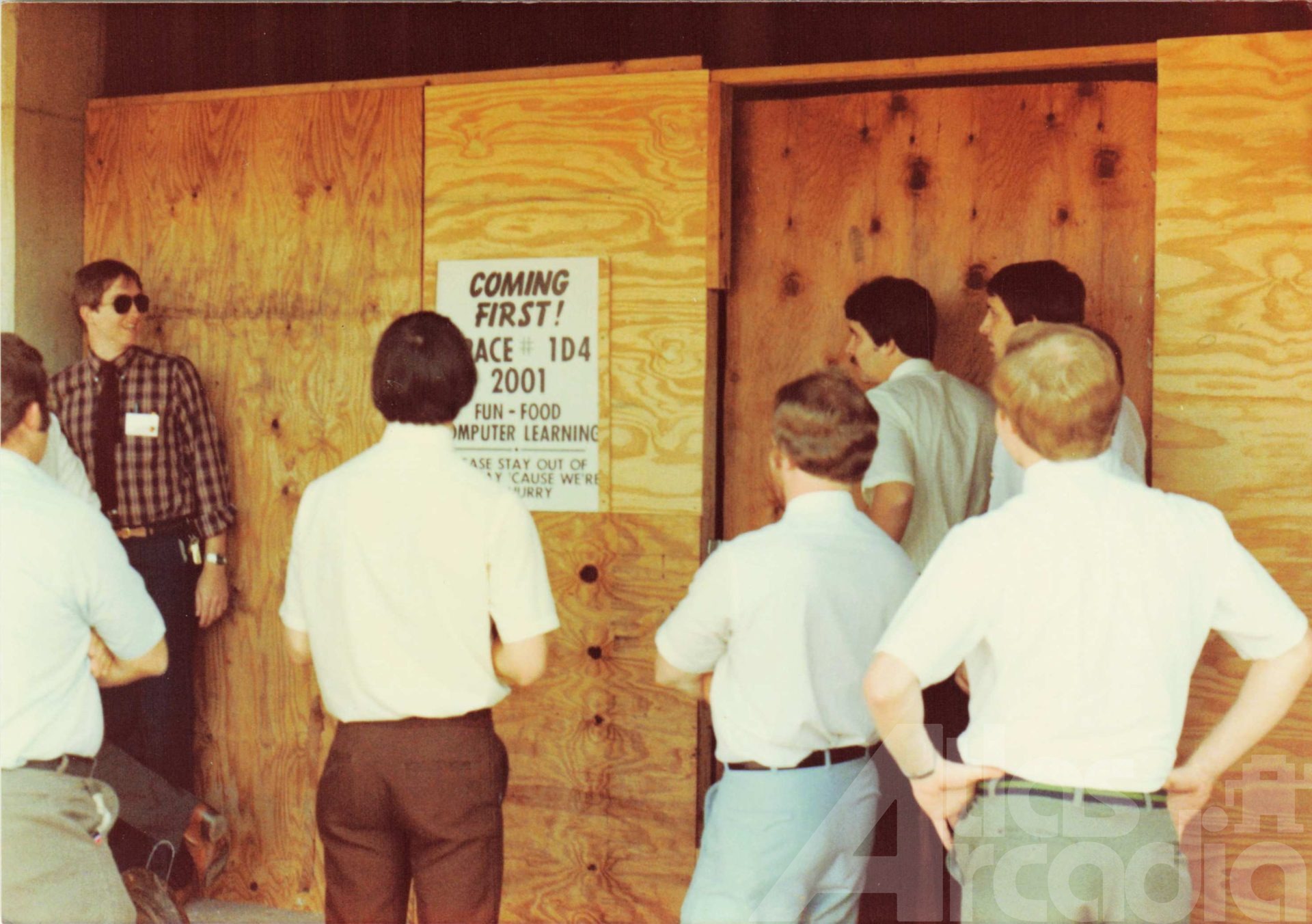
The position quickly became much more than a college job. Bishop discovered he was just as fascinated by the business behind arcades as he was by the games themselves. Before long, he accepted a full-time management position with Barrel of Fun, relocating to Atlanta to help launch the company’s ambitious new entertainment concept, 2001 Entertainment.
That decision would become the beginning of a career spanning more than four decades.
Watching the Boom—and the Bust
Bishop had an inside view as he witnessed the arcade industry’s meteoric rise and painful collapse. He remembers arcades so crowded that employees could barely move through them.
“On Friday and Saturday nights it could take twenty minutes to walk from one end of the arcade to the other because the crowd was so thick. We used to joke that you could cut a hole in an empty shoebox, set it in the middle of the mall, and people would start shoving money into it.”
But the industry’s success bred overconfidence and saturation.
Manufacturers rushed to produce new games. Operators opened arcades as quickly as they could secure leases. Shopping centers everywhere wanted their own game room, and before long, the industry had saturated itself with too many locations and too many mediocre games. By late 1983, the crash had arrived.
“The president of Barrel of Fun took several of us managers to dinner and said, ‘Well, boys, I feel like we’ve run off a cliff at ninety miles an hour.'”
Store closures and layoffs followed shortly afterward. Yet unlike many companies, Barrel of Fun survived. The experience taught Bishop one of the defining lessons of his career: successful entertainment businesses must continually reinvent themselves before the market forces them to.
From Regional Chain to Industry Giant
Barrel of Fun weathered the crash that crippled much of the arcade industry by adapting instead of retreating. As the company regained its footing, Bishop’s responsibilities grew alongside it.
What began as a management position evolved into senior leadership as he gained experience in nearly every aspect of the business—from arcade operations and technical support to site selection, construction, leasing, and marketing.
“I was lucky enough to spend time working with almost every detail of game operations and attraction management,” Bishop says. “My role expanded as the company grew.”
By 1987, Barrel of Fun’s turnaround had attracted the attention of Atari Games Corporation, which acquired the regional chain as the foundation for a nationwide expansion of company-owned arcades. For Bishop, it was an opportunity he couldn’t pass up.
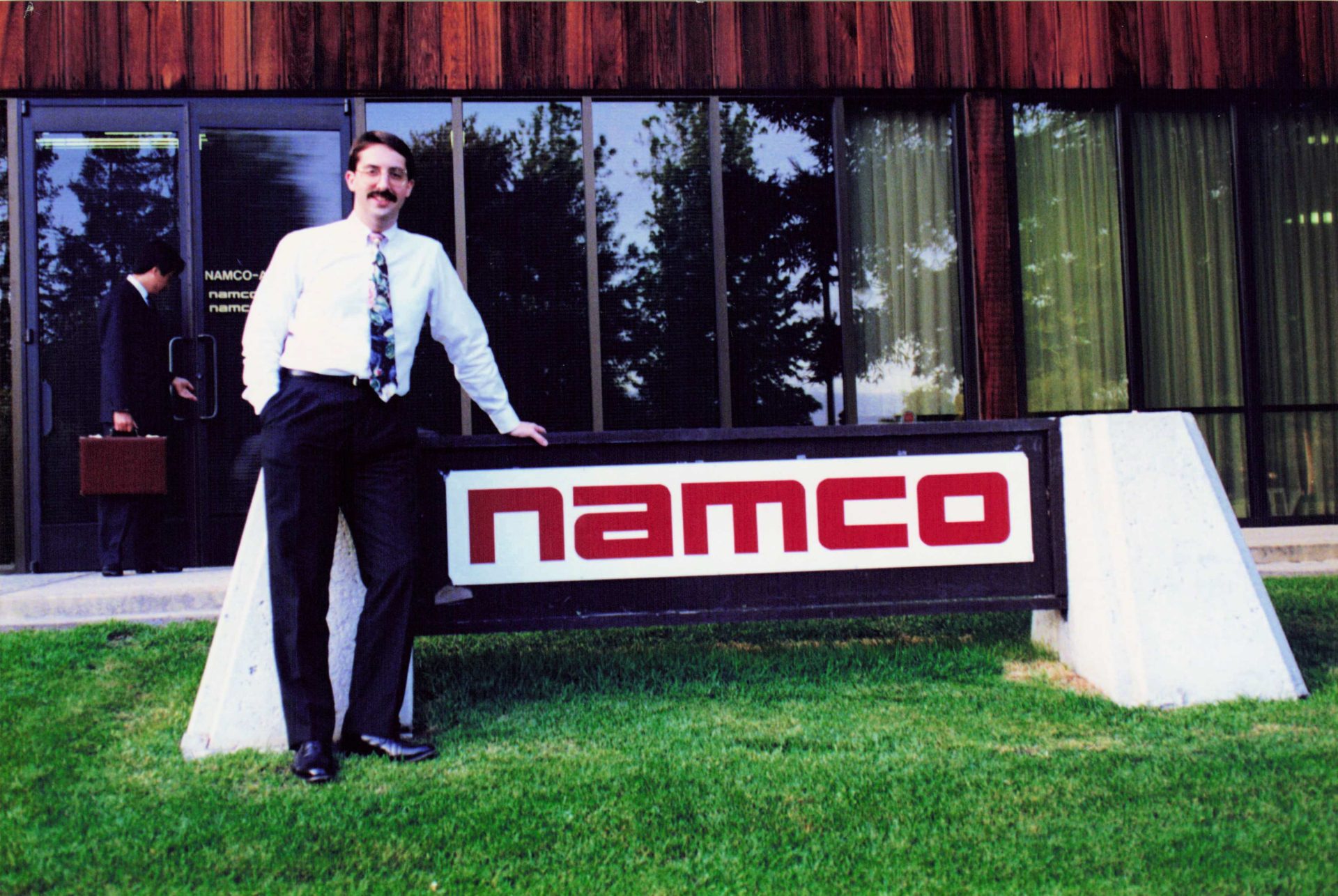
He relocated from Atlanta to Silicon Valley, where Atari placed him in charge of helping grow its expanding arcade business throughout the western United States. Three years later, another major transition followed. NAMCO—already Atari Games’ largest shareholder—purchased the operation outright. Atari Operations became NAMCO Operations, and the company’s arcades were rebranded as CyberStation. Growth accelerated rapidly through both new locations and acquisitions.
By 1993, NAMCO Operations had become the largest arcade operator in North America after acquiring the Aladdin’s Castle chain, overseeing more than 500 game rooms and tens of thousands of arcade machines. For someone who had started behind the counter of a small mall arcade, it was a remarkable journey.
As Director of Operations—and later a Vice President and Chief Operating Officer—Bishop’s responsibilities extended far beyond choosing which games appeared on an arcade floor.
“Essentially, I worked with the nuts and bolts of running the daily business. I worked with a fabulous team of people who were just as passionate about the games business as I was.”
He and his team oversaw virtually every aspect of daily operations, including game selection, pricing strategies, technical support, merchandising, logistics, cash management, marketing, and the development of new locations across the country.
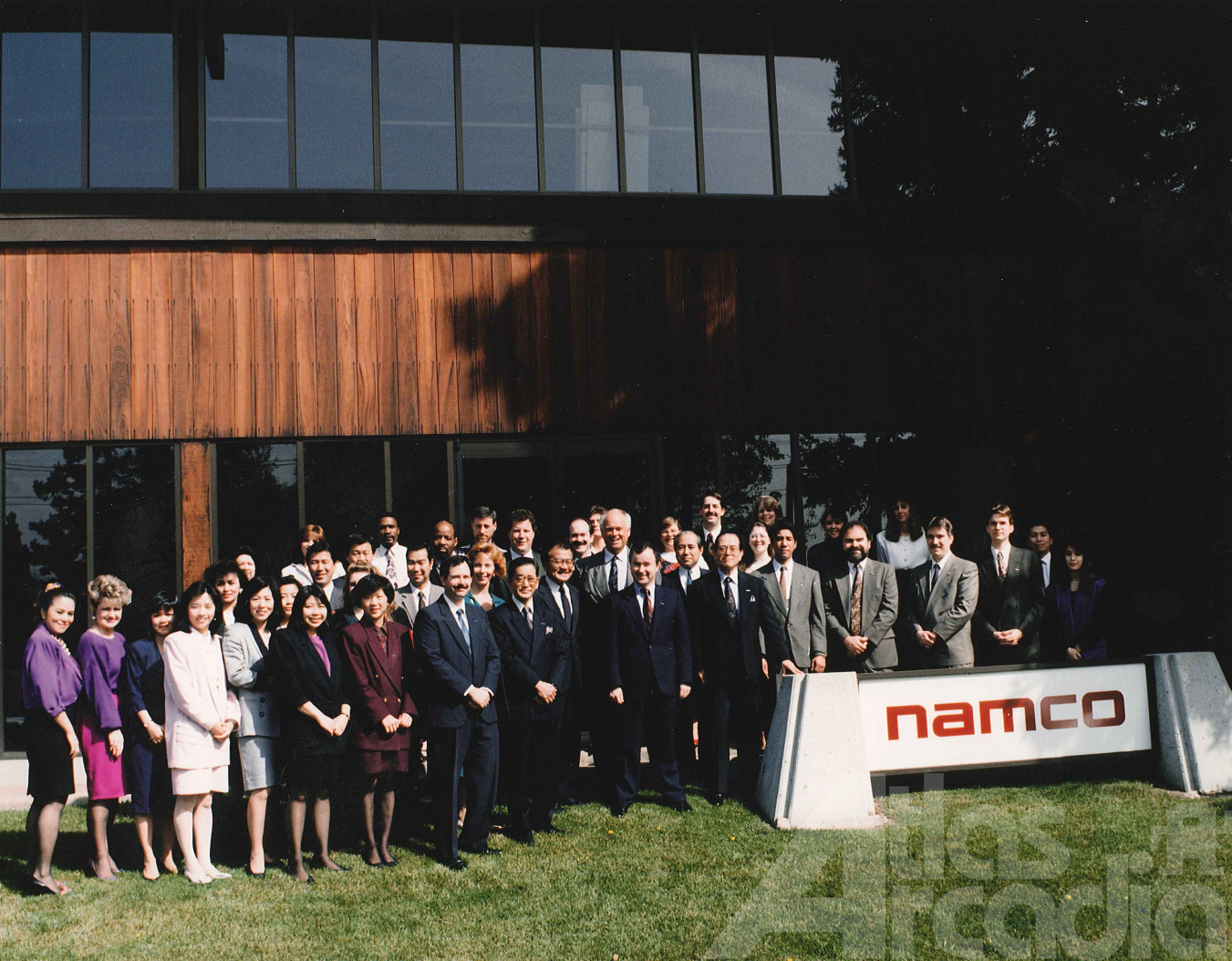
NAMCO USA and NAMCO JAPAN Teams c1998
What Makes a Great Arcade?
Opening a successful arcade involved much more than finding an empty storefront. Bishop says the first question was always simple: How many potential players will naturally pass by this location?
“Much of the initial consideration has always been natural guest count,” he explains. “How many people will walk past the games, what percentage can we entice to stop and play, and how much will they be willing to spend?”
During the 1980s, enclosed shopping malls were ideal. They weren’t simply retail centers—they were gathering places where teenagers and families spent entire afternoons together. But demographics alone weren’t enough.
Years of operating hundreds of locations allowed NAMCO to develop sophisticated financial models for evaluating prospective sites, balancing expected attendance with rent, staffing, maintenance, utilities, and dozens of other variables.
Still, Bishop believes there was always an element that couldn’t be measured on a spreadsheet.
“There was definitely science—and solid math—but it was an art form as well.”
Experience taught operators how to match the right mix of games and attractions to the audience each location served. Ask Bishop which accomplishment makes him proudest, and he doesn’t point to a title or a particular project. Instead, he points to reinvention.
“Every time a window began to shift on a specific business model, we were able to create and pivot to new opportunities. We reinvented ourselves more times than I can count.”
Throughout his career, that willingness to evolve produced a series of ambitious projects.
In the early 1980s, there was 2001 Entertainment, an experimental destination that combined arcade games, casual dining, and even a computer learning center years before “eatertainment” became a trend.
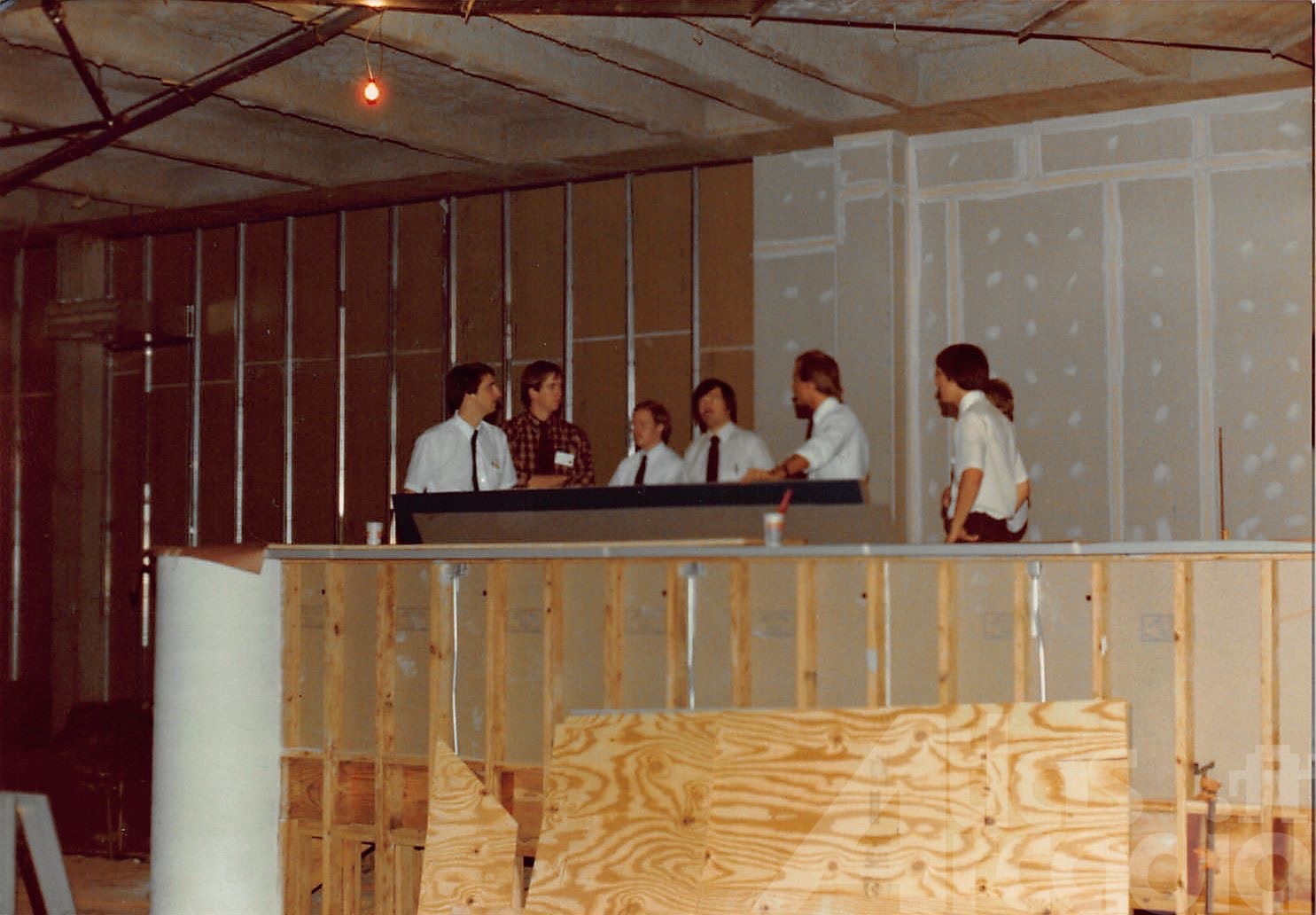
2001 Entertainment Construction
During the Atari years, the company expanded beyond shopping malls into tourist destinations, building attractions like the Atari Expo at San Francisco’s Pier 39 and designing the arcades for the opening of Universal Studios Florida. Later came Magic Edge, an immersive motion-based combat flight simulator that anticipated many ideas now associated with virtual reality, and Wonder Park, a family entertainment concept that blended rides with arcade attractions. What is perhaps his favorite project launched many years later.
As NAMCO’s Chief Operating Officer—and the company’s unofficial “Chief Evangelist” for PAC-MAN—he helped lead the creation of Level 257 outside Chicago, an upscale restaurant and entertainment venue celebrating the history and culture of classic video games.
“I also acted as the chief evangelist for PAC-MAN,” he says. “I always loved interacting with players.”
Whether escorting the iconic yellow character through conventions, museums, and public events or helping reintroduce PAC-MAN to a new generation, Bishop found himself doing something he had always enjoyed most: connecting games with the people who loved them.
More Than Games
For all of the titles David Bishop held throughout his career, he still describes himself first as someone who simply loves to play.
Whether it was Dungeons & Dragons in the 1970s, Defender in the arcade, or exploring the worlds of Fallout and The Elder Scrolls today, games have always been more than entertainment.
“I’ve always tried to create experiences that I would personally enjoy,” he says. “A career in games and entertainment always seemed like the perfect fit.”
That philosophy influenced nearly every decision he made during more than four decades in the amusement industry.
But perhaps the greatest lesson he carried away wasn’t about arcades at all, but people.
Throughout his career, Bishop watched electronic games evolve from a niche hobby into one of the defining forms of modern entertainment. Along the way, he came to appreciate just how much history had quietly disappeared: companies closed, documents were discarded, photographs vanished, and entire arcade chains became little more than fading memories.
For someone who had lived through much of that history, the realization became increasingly difficult to ignore.
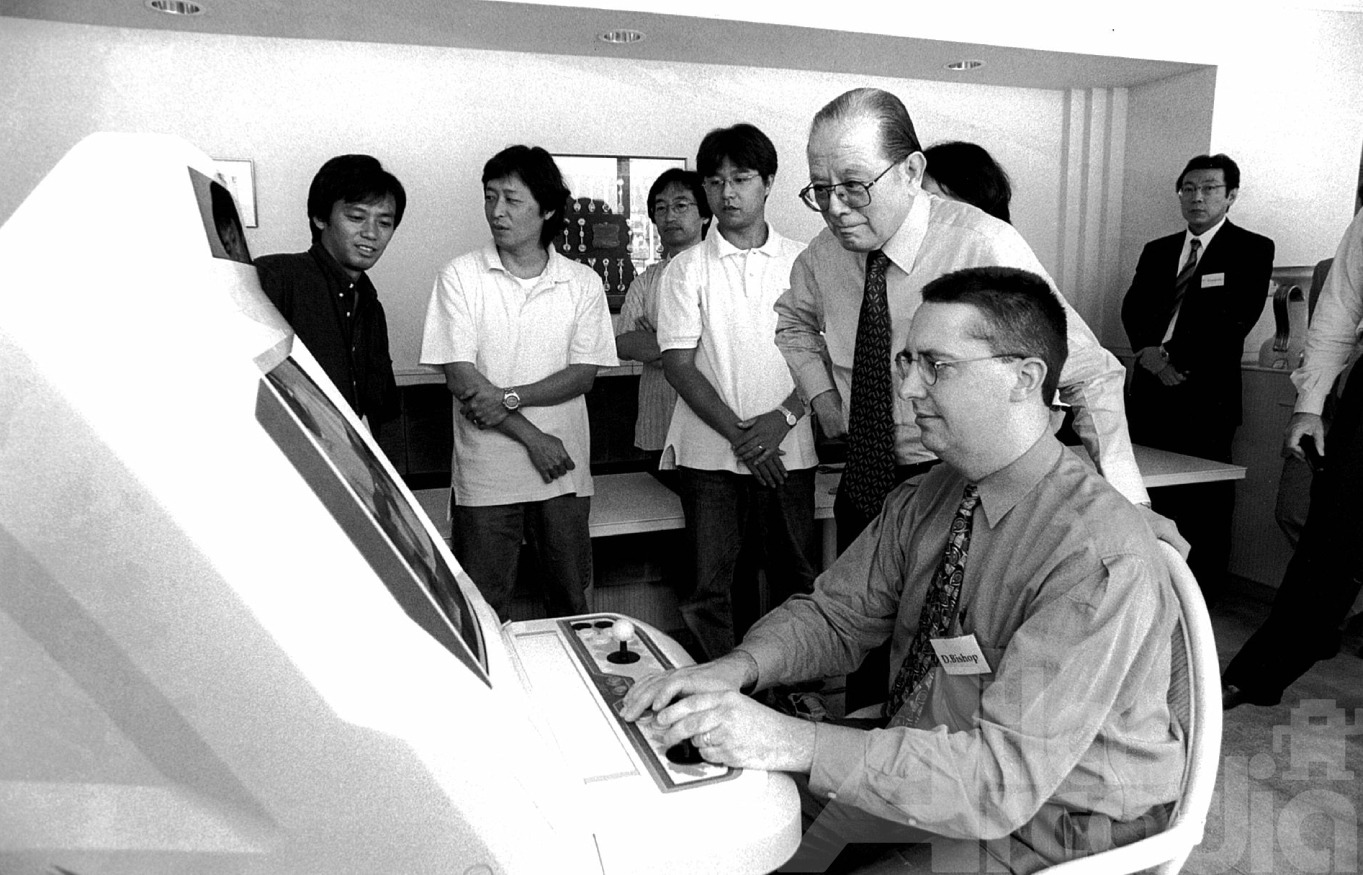
David playtesting with Masaya Nakamura and the NAMCO R&D team, c1992
“To Play Is Human.”
One idea has stayed with Bishop since his years at NAMCO. It came from company founder Masaya Nakamura, who frequently quoted Dutch historian Johan Huizinga’s landmark work Homo Ludens.
“‘To Play Is Human.’ Nakamura repeated that idea to all of us all the time,” Bishop recalls. “It became part of who we were.”
The phrase eventually appeared in neon near the entrance to Level 257, serving as both a design element and a reminder that play is far more than recreation—it is part of what makes us human.
That perspective now shapes Bishop’s involvement with Atlas Arcadia. He sees the project not simply as an archive of old arcades, but as a way to preserve the culture surrounding them before firsthand memories disappear.
“I was lucky enough to be in the right place at the right time,” he says. “There’s a lot of history—and a lot of details—that have already been forgotten. Besides the lessons to be learned from reviewing the lifespan of an industry, there are fascinating details underneath those lessons that we need to document while the people directly involved are still able.”
Atlas Arcadia, he hopes, can become that permanent record.
Rather than simply cataloging machines and locations, he hopes Atlas Arcadia captures the stories behind them: the people who built the games, operated the arcades, repaired the cabinets, and spent countless afternoons feeding quarters into glowing machines that would shape a generation.
“We have an opportunity—perhaps even an obligation—to document that history while the people who lived it are still here to tell it.”